Energy-efficient windows explained
Window shopping quickly turns into a maze of ratings, letters and numbers. This plain-English guide explains what actually makes a window energy efficient, so you can read a quote with confidence and choose the right specification for your home.
Window energy ratings, in brief
In the UK, windows are commonly given a Window Energy Rating (WER) on a familiar A to G scale, much like the label on a fridge or a boiler. The rating balances how much heat the window lets escape against how much useful warmth from the sun it lets in, along with air leakage. A higher band means a more efficient window overall. Ratings are a helpful shorthand for comparing products, but they are only part of the story — installation quality and the condition of the surrounding wall matter too.
What a U-value tells you
The U-value measures how easily heat passes through the window: the lower the number, the better the insulation. A single-glazed window has a high U-value because heat escapes readily, whereas modern double and triple glazing achieve much lower figures. When you compare quotes, the U-value is one of the clearest ways to judge thermal performance like for like. Alongside it you may see the g-value (solar gain) and details of the air-leakage class, which together explain why one window keeps a room warmer than another.
Compare efficient windows for your home
Get free, no-obligation quotes from vetted local installers — subject to eligibility and a home survey.
Upgrade my windows →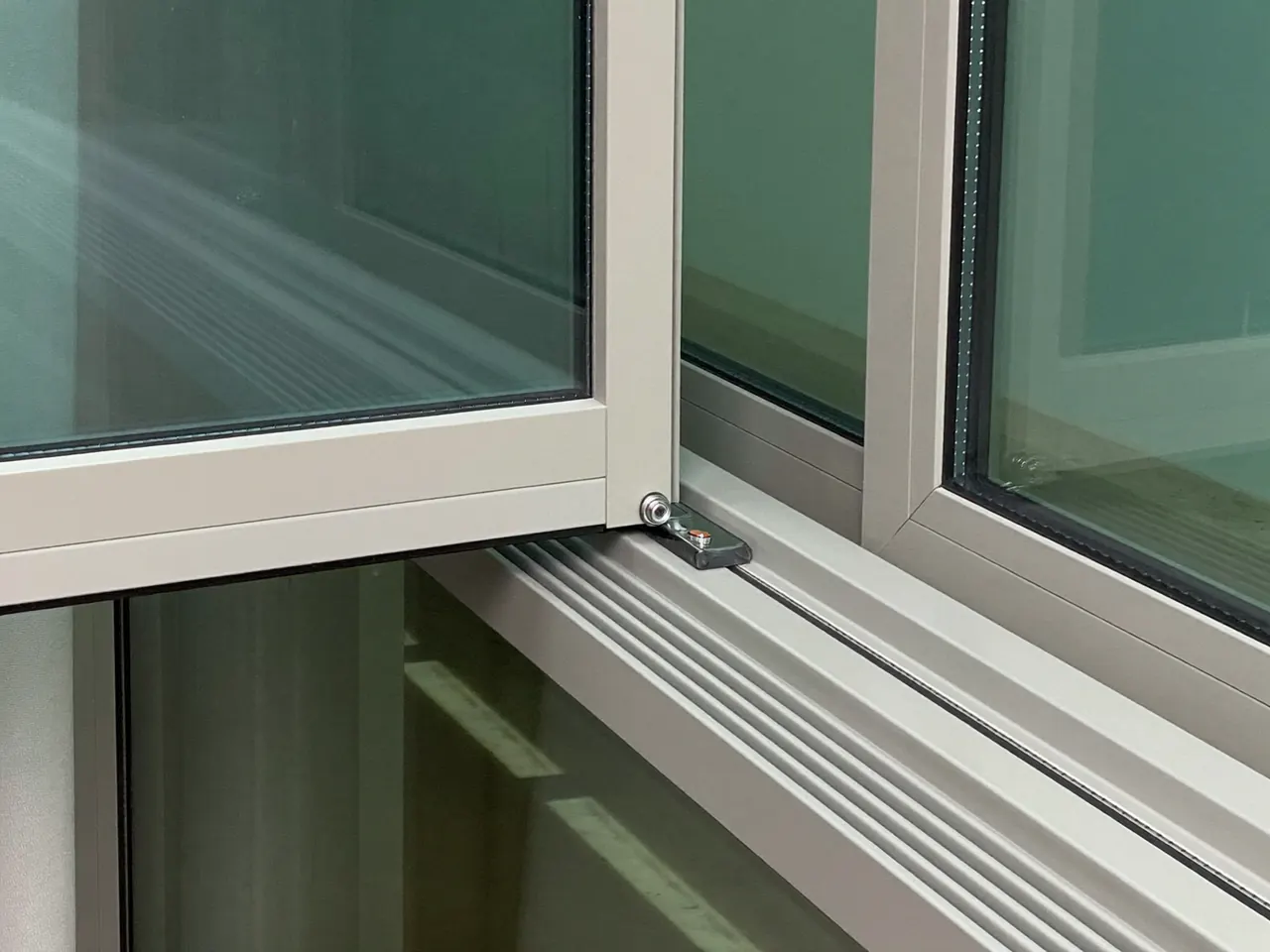
What actually makes a window efficient
Several features combine to earn a good rating. Low-emissivity (low-E) coatings on the glass reflect warmth back into the room. The sealed cavity between panes is often filled with an inert gas such as argon, which insulates better than plain air. Warm-edge spacer bars reduce heat loss at the edges of the unit. And well-designed frames — in uPVC, timber, aluminium or composite — insulate the perimeter and seal tightly. Adding a third pane, as in triple glazing, improves the figures further for homes that feel especially exposed. There is a good overview of the choices in this guide to double, triple and secondary glazing explained.
Efficiency and running costs
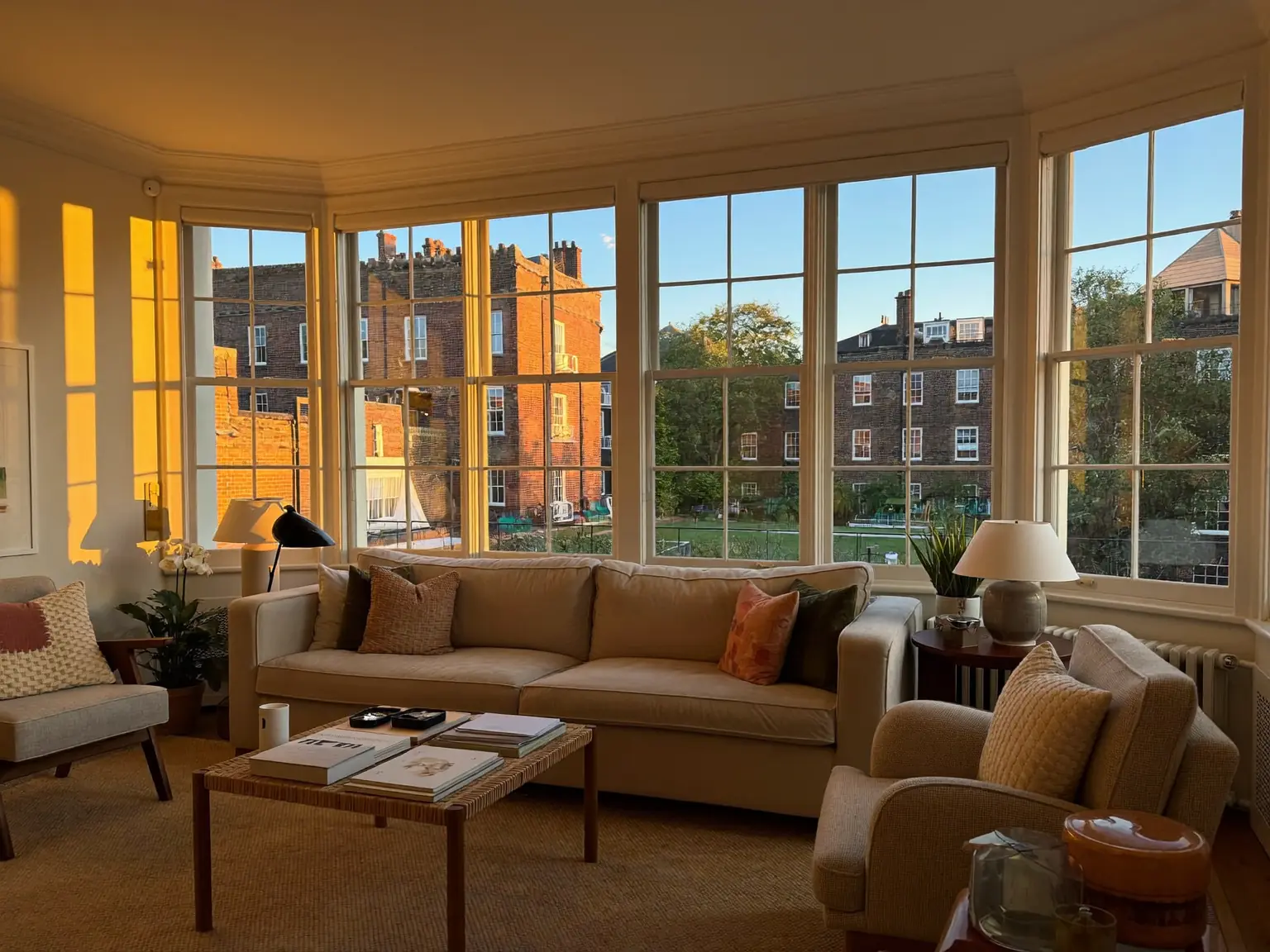
Better thermal performance means your heating works less hard to keep rooms comfortable, which many households notice on their energy use over the year. The exact effect depends on your home, your old windows and how you heat the place, so it is best to think in terms of typical ranges rather than fixed promises. The Energy Saving Trust publishes useful indications of the heat that efficient glazing can save, and you can also read about how much homeowners save with efficient windows for a real-world sense of the figures.
Efficiency ties directly into everyday comfort. An efficient window is the same one that gives you a warmer home and helps with reducing condensation and draughts. For the bigger picture on when and why to upgrade, see why upgrade your windows, then compare quotes so you can weigh ratings, U-values and price together.
Ready to choose efficient windows?
Get matched with trusted installers and compare free quotes with no obligation.
Get my free quotes →