Reducing condensation and draughts
Wiping misty windows every morning and feeling a chill from the glass are two of the most common complaints about older windows. Both come down to the same underlying issues — cold panes and leaky seals — and both are exactly what a good upgrade is designed to fix.
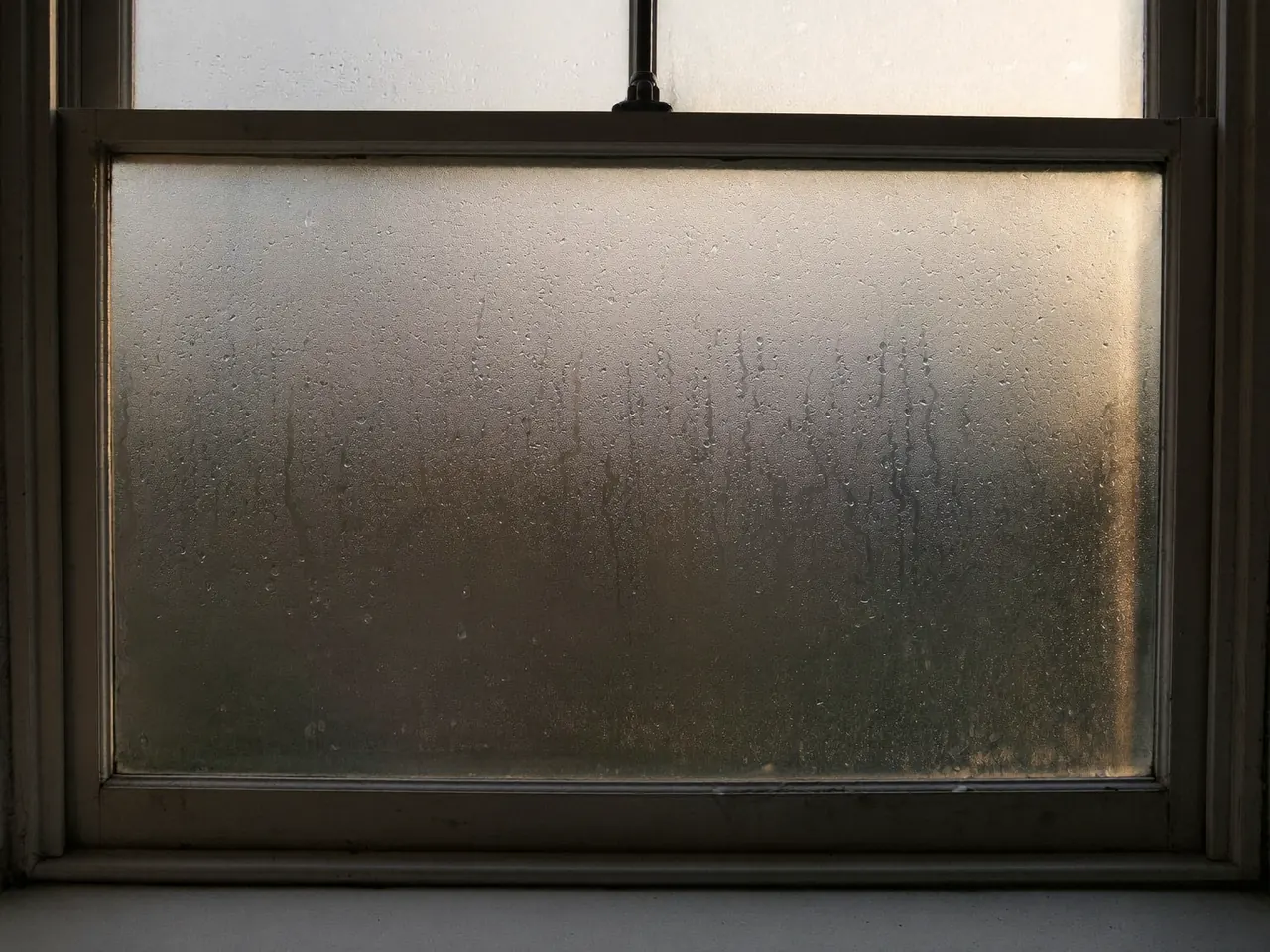
Why old windows collect condensation
Condensation forms when warm, moist air meets a cold surface. In an older home the inner pane of a single-glazed window stays cold, so the moisture your household naturally produces — from cooking, showers, drying clothes and simply breathing — condenses on the glass and runs down onto the sill. Left unchecked, that persistent dampness can lead to mould on frames and reveals, and over time it damages timber and decor. It is a comfort problem and a maintenance problem rolled into one.
How upgraded windows cut condensation
Modern double and triple glazing keeps the inner pane much warmer, because the sealed, insulating gap slows heat from escaping through the glass. A warmer inner surface is far less likely to reach the temperature at which condensation forms, so the misting reduces dramatically. Warm-edge spacer bars around the glazing unit further raise the temperature at the vulnerable edges of the pane. The result is glass that stays clearer, sills that stay drier and far less risk of damp. For a deeper look at glazing options, see this explainer on double, triple and secondary glazing explained.
Say goodbye to misty, draughty windows
Compare free, no-obligation quotes from vetted local installers — subject to eligibility and a home survey.
Upgrade my windows →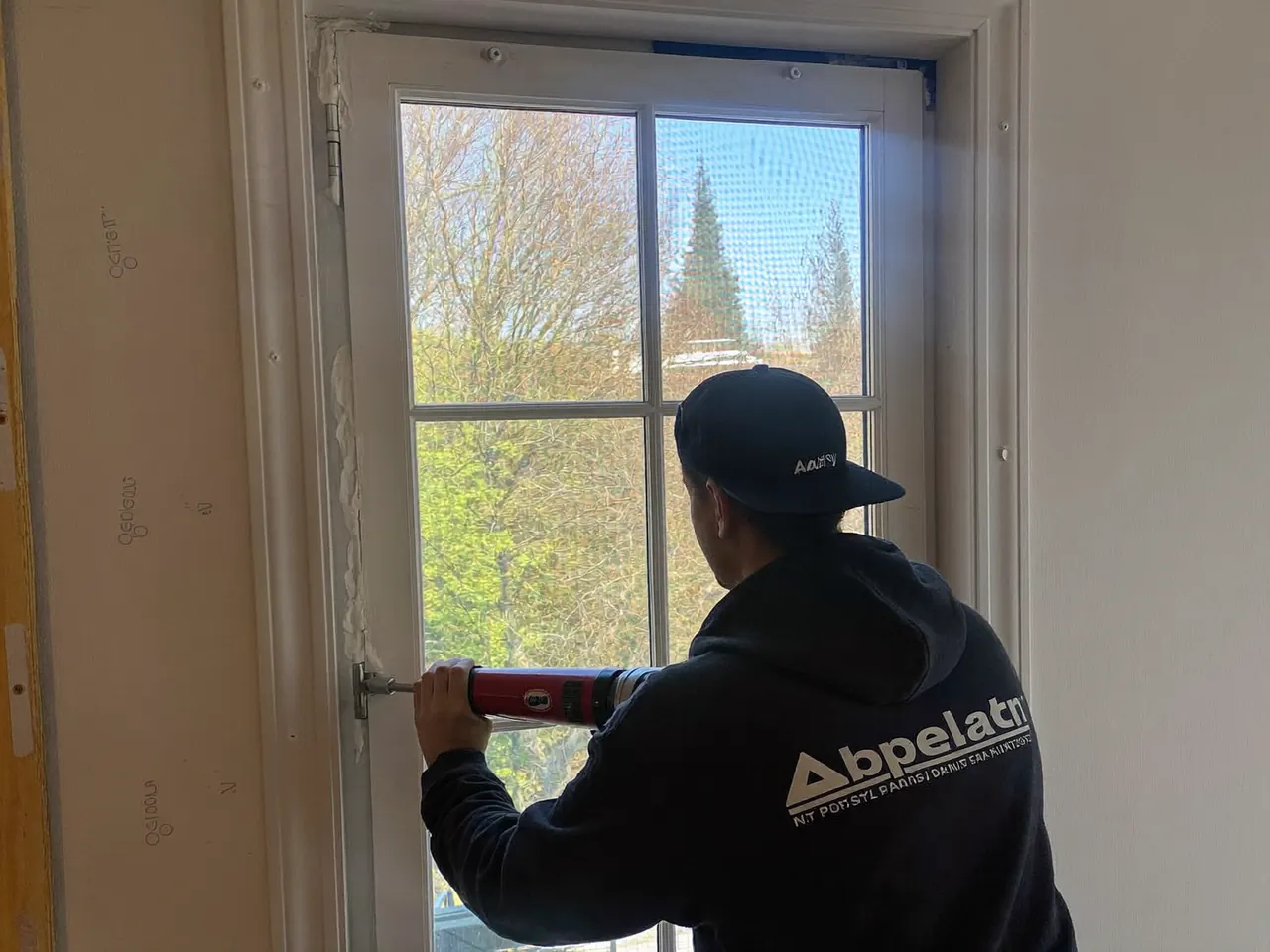
Dealing with draughts
Draughts are the other half of the problem. As frames age, their seals perish, timber warps and moving parts wear, leaving gaps that let cold air pour in around the sash. You feel it as a cold stream near the window and a room that is hard to keep warm. New windows come with fresh, well-fitted seals and tight-closing sashes that shut those gaps, which stops the draughts and keeps more of your heating where it belongs. That tighter seal is also why upgraded windows feel warmer and cost less to run — you can read about how much homeowners save with efficient windows for typical figures.

A word on ventilation
Reducing condensation is not about sealing a home completely airtight — some controlled ventilation is important for healthy air. Modern windows can include trickle vents that allow a small, managed amount of fresh air without the uncontrolled draughts of an old unit. A good installer will balance insulation and ventilation for your home during the survey. If misting and draughts are bothering you, they are often among the clearest signs you need new windows, and tackling them usually delivers a noticeably warmer home at the same time.
To understand how ratings capture all of this, our guide to energy-efficient windows explains what the labels mean. And for the overall case, start with why upgrade your windows.
Ready for clearer, drier windows?
Get matched with trusted installers and compare free quotes with no obligation.
Get my free quotes →