Reducing noise with new windows
Traffic, neighbours, trains, aircraft, the school run — outside noise wears you down when your windows do little to hold it back. Upgraded glazing will not turn a busy street silent, but it can make a genuinely noticeable difference to how calm your home feels.
Why old windows let noise in
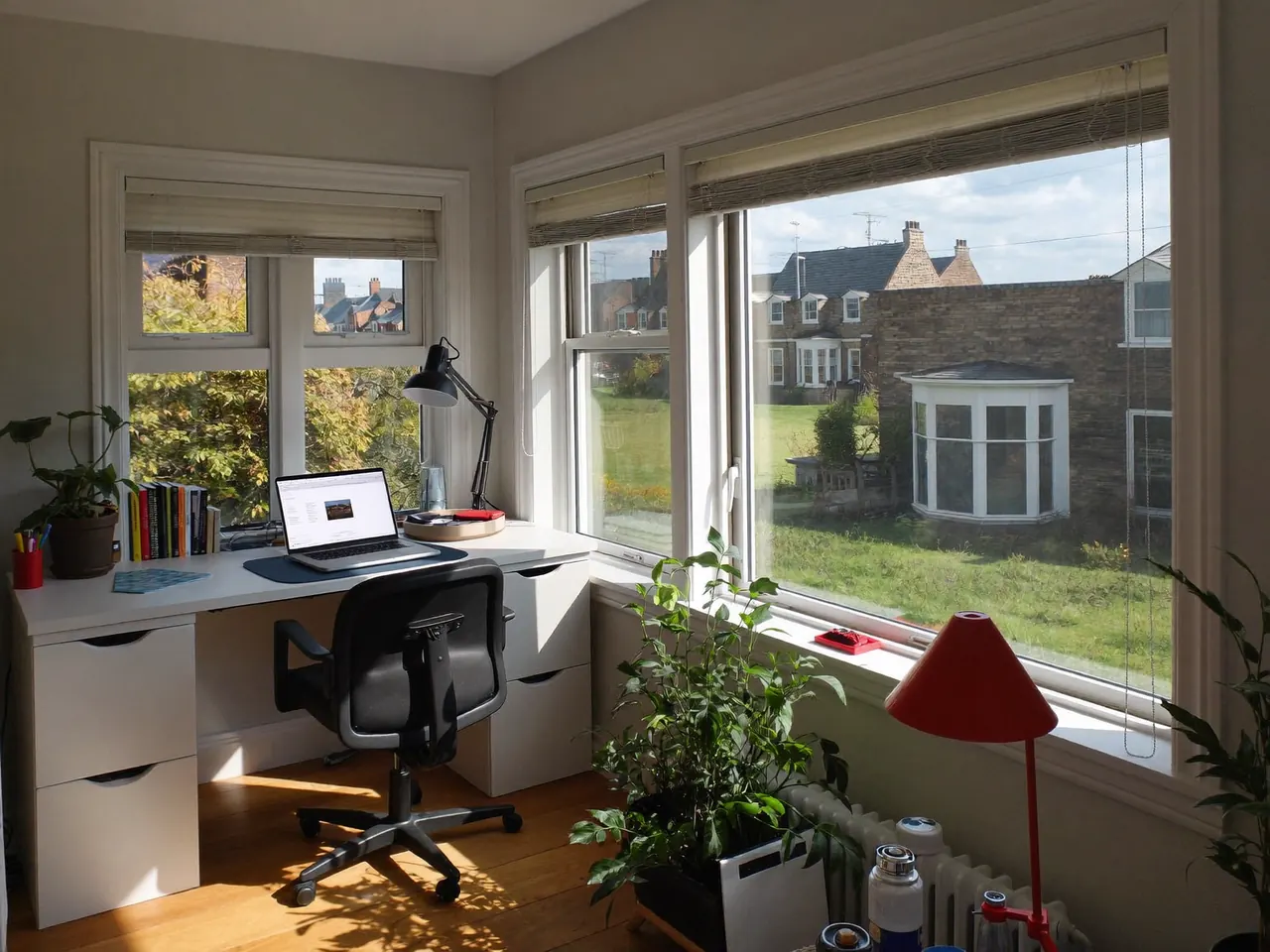
Sound travels easily through single glazing and through the gaps around tired, ill-fitting frames. A single thin pane vibrates with outside noise and passes much of it straight into the room, while perished seals and warped sashes leave air paths that carry sound with them. That is why an older home near a main road can feel loud even with the windows shut. Sealing those gaps and adding mass and separation between you and the street is the key to a quieter room.
What actually reduces noise
Several features work together. Double and triple glazing put more panes and more sealed air between inside and out, which dampens vibration. Laminated acoustic glass adds a special interlayer that absorbs sound and is one of the most effective options for busy locations. Panes of differing thickness help, because they resist different sound frequencies rather than resonating together. Finally, tight, modern frames and quality seals close off the air gaps that let noise sneak around the glass. For a clear rundown of the options, this guide to double, triple and secondary glazing explained is worth a look — secondary glazing in particular can be very effective for period homes.
Want a quieter home?
Compare free, no-obligation quotes from vetted local installers — subject to eligibility and a home survey.
Upgrade my windows →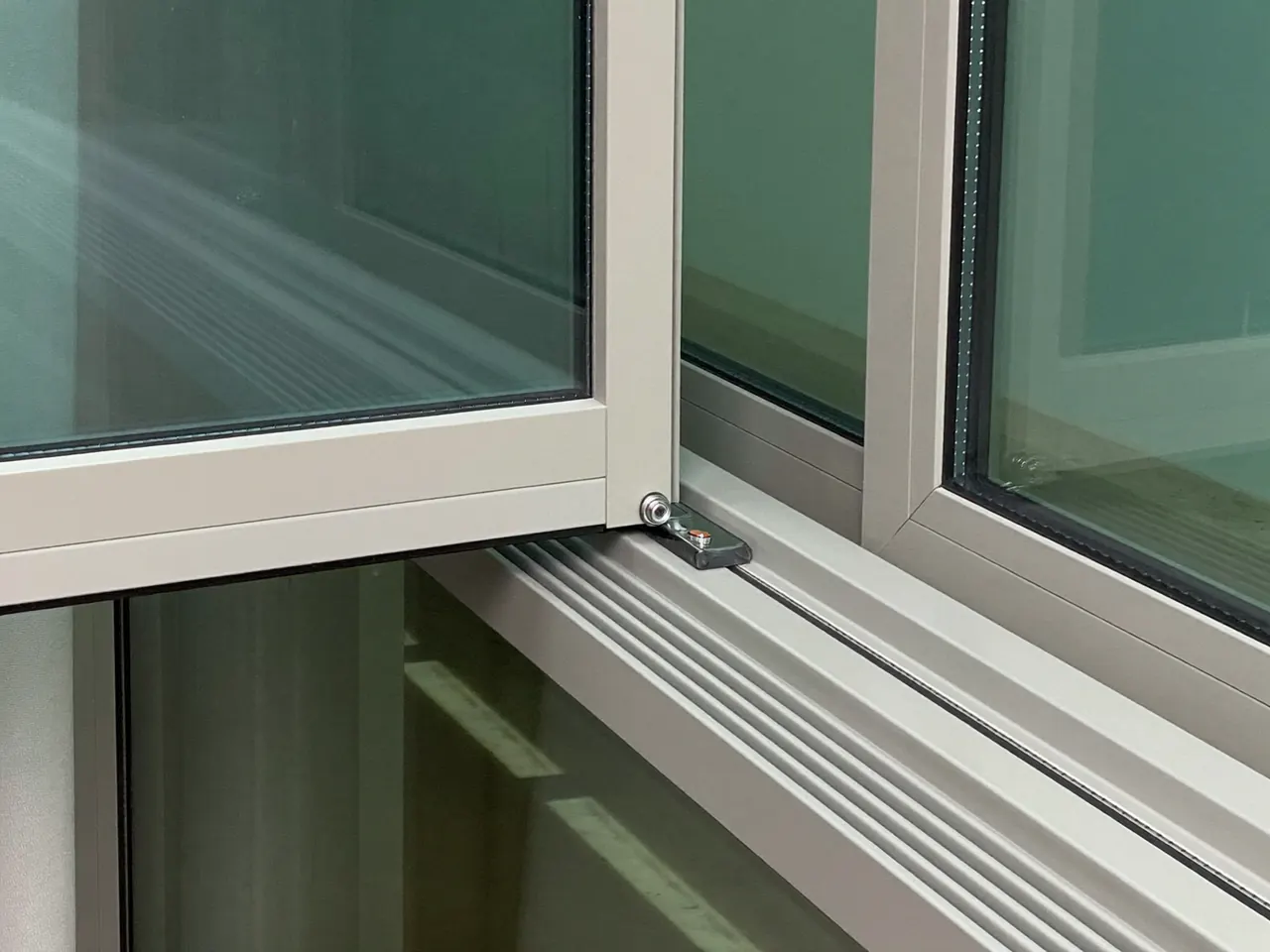
How much quieter will it be?
Realistic expectations matter. Standard double glazing already cuts a good deal of everyday noise compared with single panes. Acoustic laminated glass goes further and is well suited to homes near heavy traffic or flight paths. The improvement is measured in decibels, and because the decibel scale is not linear, even a modest reduction can make a room feel dramatically calmer. An installer can recommend a specification based on the noise you are dealing with and the aspect of the affected rooms.

Getting the right specification
Noise reduction is one area where the detail really counts, so it pays to be specific when you compare quotes. Explain where the noise comes from, which rooms it affects most and how bad it is at different times of day. A good installer will translate that into the right glass, frame and seal combination. Because acoustic upgrades can be one of the more benefit-heavy choices, it is sensible to get a straightforward window quote and compare it against others before deciding.
Quiet often goes hand in hand with warmth and comfort. If you are weighing several benefits at once, our guide to the best windows for your priority can help you decide what to focus on, and a warmer home with new windows explains how the same upgrade improves insulation too. For the wider case, start with why upgrade your windows.
Ready for some peace and quiet?
Get matched with trusted installers and compare free quotes with no obligation.
Get my free quotes →